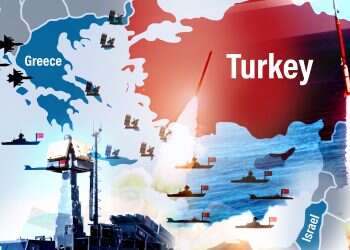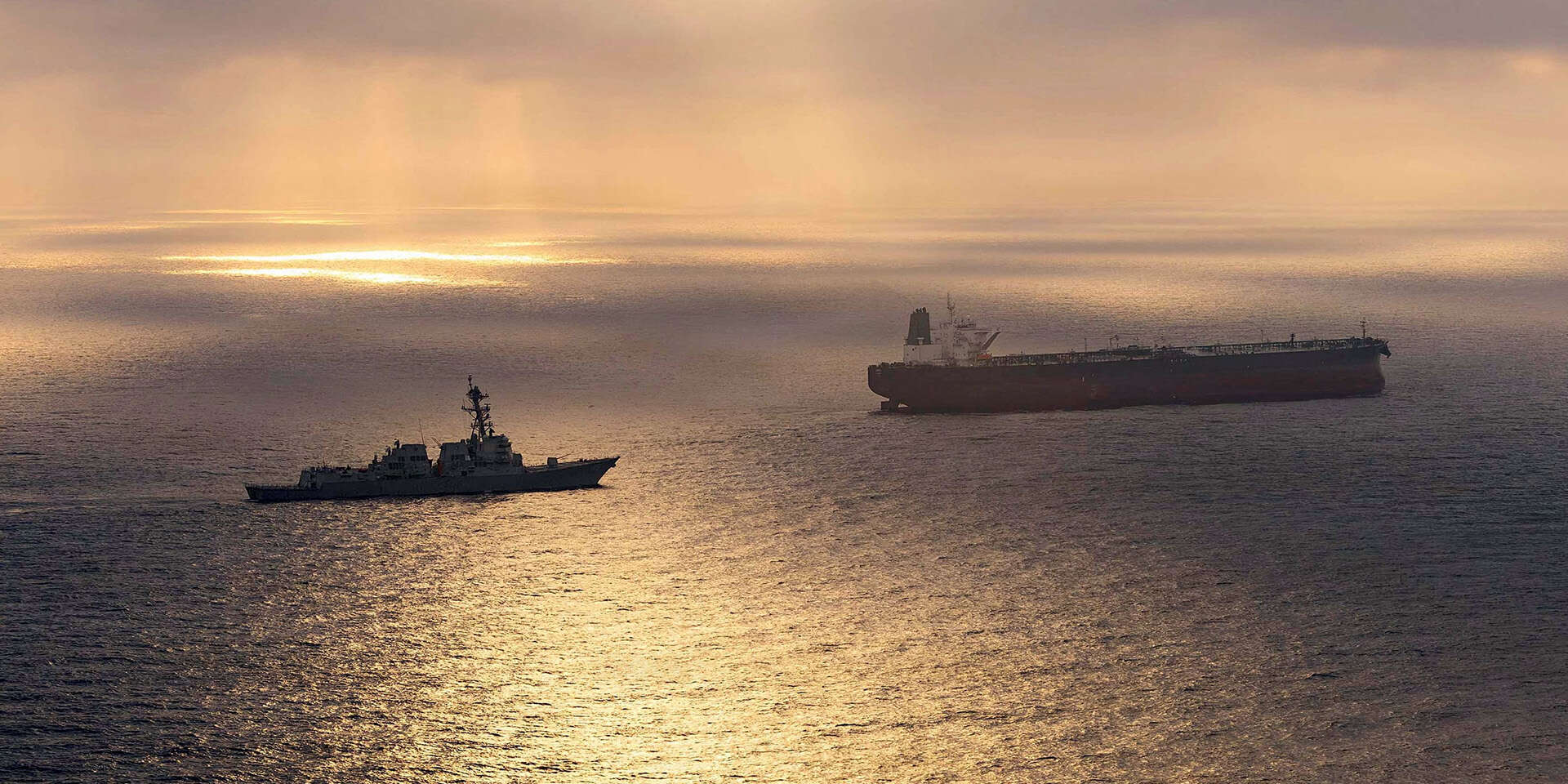
On Saturday night, the entire Middle East waited for a major US strike on Iran. US President Donald Trump had warned that an Iranian attack on a ship in the Strait of Hormuz would prompt an American strike on Iranian civilian infrastructure, such as a power plant or bridge. The Iranians called his bluff and attacked two ships in the strait, prompting the president to order the US military to prepare a major assault on Iran.
Everything was ready. Then, at the last moment, the president announced that the attack had been canceled following appeals from Iran and the mediators. According to the statement, the Iranians were prepared to reopen the Strait of Hormuz and end the nuclear threat they posed. Israel was also compelled to support the president's decision.
This was not the first time Trump had called off military action at the last moment. It is a familiar pattern of behavior, and the Iranians have learned to exploit it effectively. Trump has previously acknowledged that the Iranians have never won a war but have never lost a negotiation. Despite knowing this, he continues to be led astray by Iran, whose leaders continue to deceive and even openly humiliate him.
The administration's immediate interest is to reach the midterm elections with the Strait of Hormuz open and fuel prices low, while leaving the nuclear issue, the heart of the dispute, along with Iran's ballistic missiles and proxy forces, to protracted negotiations after the elections. This is a dangerous gamble, and Israel may ultimately pay the price.
Iran's motivation to acquire a nuclear bomb has increased significantly during the war, and reports are mounting that Tehran is working vigorously to attain that capability. As part of this effort, Iran is rebuilding its capacity to manufacture ballistic missiles and unmanned aerial vehicles, which it intends to use as a deterrent against an attack.
The Iranians are threatening to set the Middle East and the global oil and gas industry ablaze if they are attacked. Under the cover of these threats, Iran continues to advance its nuclear and ballistic missile programs. Delaying action on these issues gives Tehran valuable time to continue developing those capabilities.
Negotiations with the Iranians are being conducted through two principal mediators: Pakistan and Qatar. Qatar, which involves itself in almost every aspact in the Middle East and beyond, has repeatedly succeeded in advancing its own interests. In Iran's case, Qatar's interest is clearly to keep Iran strong and as dependent on Doha as possible.

At the same time, Qatar is seeking to weaken the Abraham Accords alliance, which could leave it isolated in the region. The United States, which has economic interests in Qatar, allows Doha to meddle in regional affairs and repeatedly manipulate decision-makers in Washington, foremost among them President Trump.
The State of Israel is entirely dependent on Trump's decisions and is in great need of American support. It is clear that addressing the Iranian challenge requires close coordination between Israel and the United States, both militarily and diplomatically.
The US decision to stop the planned strike on Iran gives the Iranians another reprieve. During this period, Iran will continue rebuilding its ballistic missile arsenal and advancing its nuclear program, which poses an existential threat to the State of Israel.
Every day that passes without rigorous oversight of Iran's nuclear program, backed by substantial sanctions as a deterrent, increases the risk that we will wake up one morning to an Iranian announcement that the country possesses a nuclear weapon. Israel will have to act against this existential threat before it materializes, even if military action leads to a confrontation with Washington.