
US President Donald Trump is considering whether to resume the large-scale military campaign against Iran following Tehran's missile attack on American forces in the Middle East this week, The Wall Street Journal reports. One option under consideration is an intensive air campaign lasting between 10 and 14 days, aimed at significantly damaging Iran's missile capabilities.
According to the report, the plan was drawn up by US Central Command chief Adm. Brad Cooper, who believes the limited strikes carried out so far have not been sufficient to deter Iran. Cooper reportedly argues that the US must significantly intensify its attacks to break the current military deadlock.
A decision is expected following a series of consultations Trump held with senior defense officials, including Defense Secretary Pete Hegseth and Chairman of the Joint Chiefs of Staff Gen. Dan Caine. The president is reportedly weighing whether to approve the broader strike plan, or settle for a more limited military response that would leave room for continued diplomatic efforts.

Divisions among senior defense officials
Cooper supports a broader military operation, based on the assessment that significantly damaging Iran's missile arsenal would also reduce the need for the US to use air-defense interceptors against future attacks.
Caine, however, has warned of the wider consequences of another escalation. According to the report, he cautioned that US stocks of air-defense interceptors were continuing to decline, even as Washington must also protect its bases and allies in other parts of the world. Caine has not ruled out a return to large-scale fighting, but reportedly believes such a move would carry greater risks.
Criticism has also emerged in Congress, where some members have warned that expanding the operation could draw the US more deeply into the war.
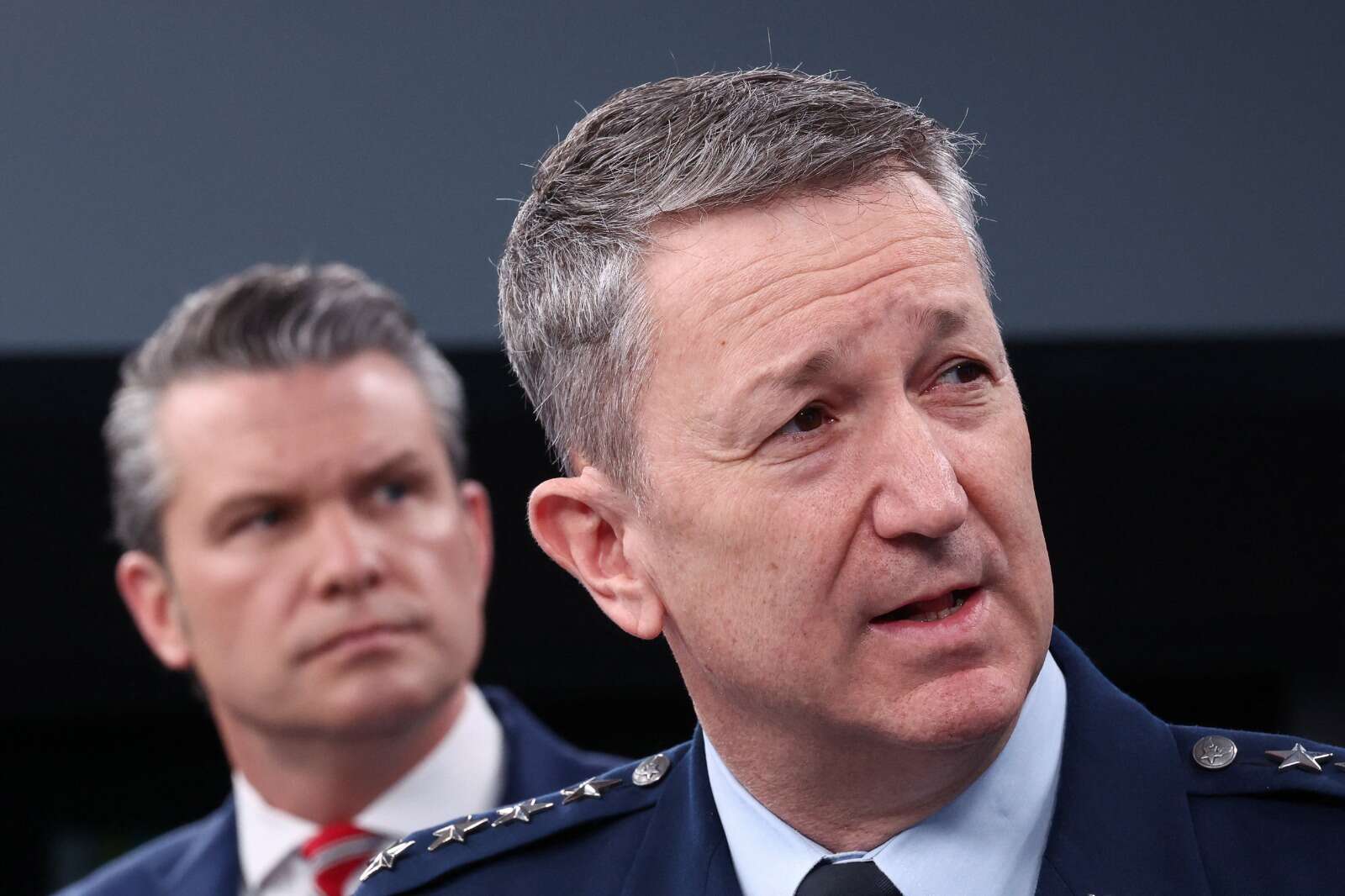
Trump signals possible escalation
A senior administration official said Trump was currently in an "escalatory mood," although he was still considering the scale of the response. The president himself has also signaled that he is leaning toward resuming the strikes. In an interview with Fox News, Trump said the US would "hit them very hard," while stressing that he would also allow Iran to continue negotiations.
According to the report, Israel could also take part in a broader military campaign if Trump approves a return to fighting.
During the previous round of fighting, Cooper requested at least six weeks to complete the military mission. The campaign was halted earlier than planned, however, after Trump decided to pursue a ceasefire. The Pentagon subsequently said Iran's missile program had been significantly damaged. US intelligence assessments, however, concluded that Iran had retained some of its capabilities and had even managed to resume missile attacks.
According to the report, officials opposed to expanding the campaign argue that even after extensive strikes, Iran was able to restore some of its missile launchers, change its launch patterns and continue attacking with missiles and drones. Supporters of the plan, by contrast, believe that a longer and more intensive campaign could significantly reduce Iran's ability to respond and shift the balance of the fighting.