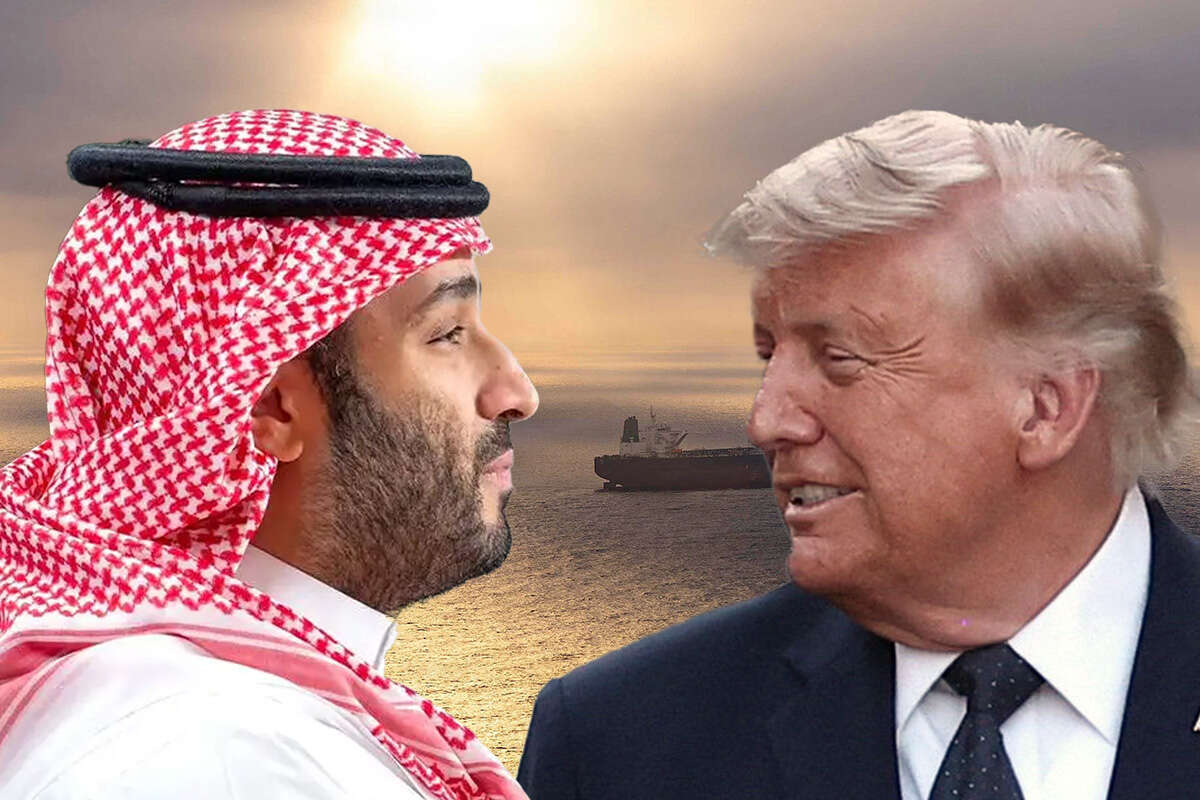
Saudi Arabia is demanding that the US and China find solutions to the crises in the Strait of Hormuz and Bab el-Mandeb and restore the free passage of tankers and commercial vessels from the Gulf to the rest of the world.
Riyadh's appeal to China, alongside its approach to the US, reflects Beijing's status as the main consumer of Gulf oil and gas. Although China has alternative suppliers, including Russia, they cannot fully meet the vast country's energy needs.
According to Reuters, the Gulf states are turning to Beijing amid growing frustration over the war, which has placed them in the line of fire and disrupted their vital energy exports. The appeal is testing China's dual role as both a major buyer of Gulf oil and Iran's largest trading partner.
China's dual role
During the war, China shifted to alternatives to Iranian energy. Iran had been a major supplier, but its exports were halted almost entirely on most days of the conflict. One alternative was Saudi Arabia, which managed to divert some of its oil to the Red Sea port of Yanbu and then ship it through the Bab el-Mandeb Strait to markets in the Far East, including India, China and other consumers.
As part of the Gulf appeal, China is being asked to use its influence over the regime in Tehran to secure a compromise over the Strait of Hormuz and restrain its Houthi proxies at Bab el-Mandeb. According to regional diplomatic sources, the Saudis, backed by the other Gulf states, have delivered a series of messages to Beijing to that effect, but have so far received no satisfactory response.
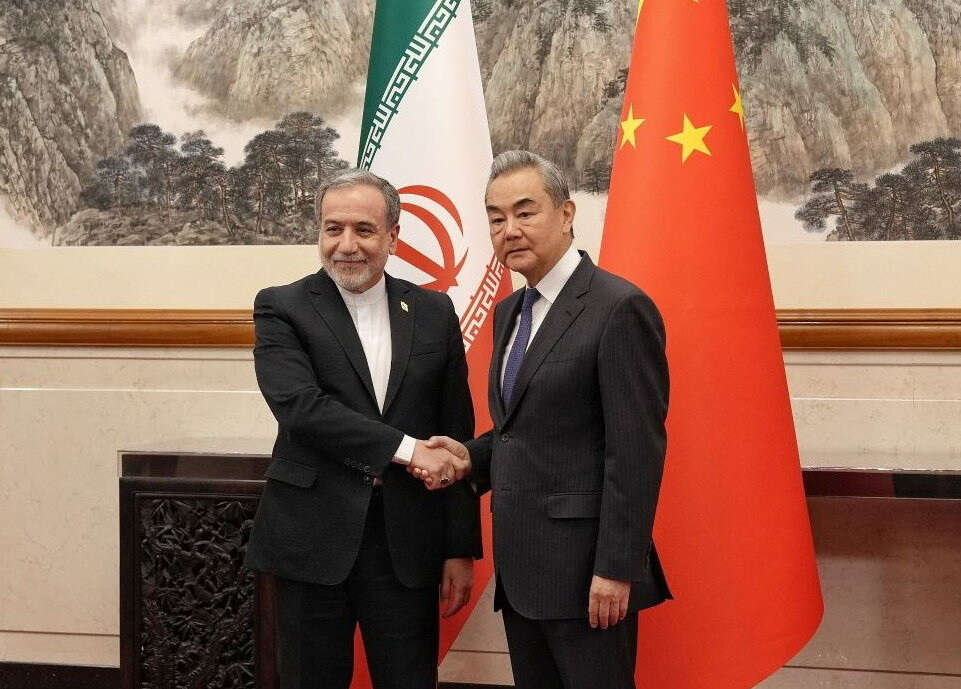
Chinese Foreign Minister Wang Yi has held dozens of calls and meetings with his counterparts in an effort to formulate a new ceasefire. Beijing's special envoy to the region has also held talks in Gulf capitals and in Iran. China's Foreign Ministry told Reuters that Beijing had maintained close communication with all sides and had worked to end the fighting and promote peace.
Beijing has also held direct talks with the Houthis in Yemen in an effort to allow China-linked tankers to sail through the Red Sea without being attacked. However, the understandings reached did not generate pressure to halt the attacks as a whole. Gulf officials are questioning whether China is failing to exercise its full influence because it lacks the ability to do so or because it is unwilling, in part because a prolonged war increases pressure on the US.
Demanding a military or diplomatic solution
The Saudis want the Americans to provide either a military or diplomatic solution to the confrontation with Iran, with a military solution their preferred option. The issue was a central topic in Saudi Defense Minister Prince Khalid bin Salman's meetings with US President Donald Trump and other senior American officials at the White House. The talks included possible military measures to protect the strategic shipping routes.
In his first meeting with US Vice President JD Vance, Prince Khalid said the kingdom would not tolerate attacks on its energy infrastructure or civilian targets.
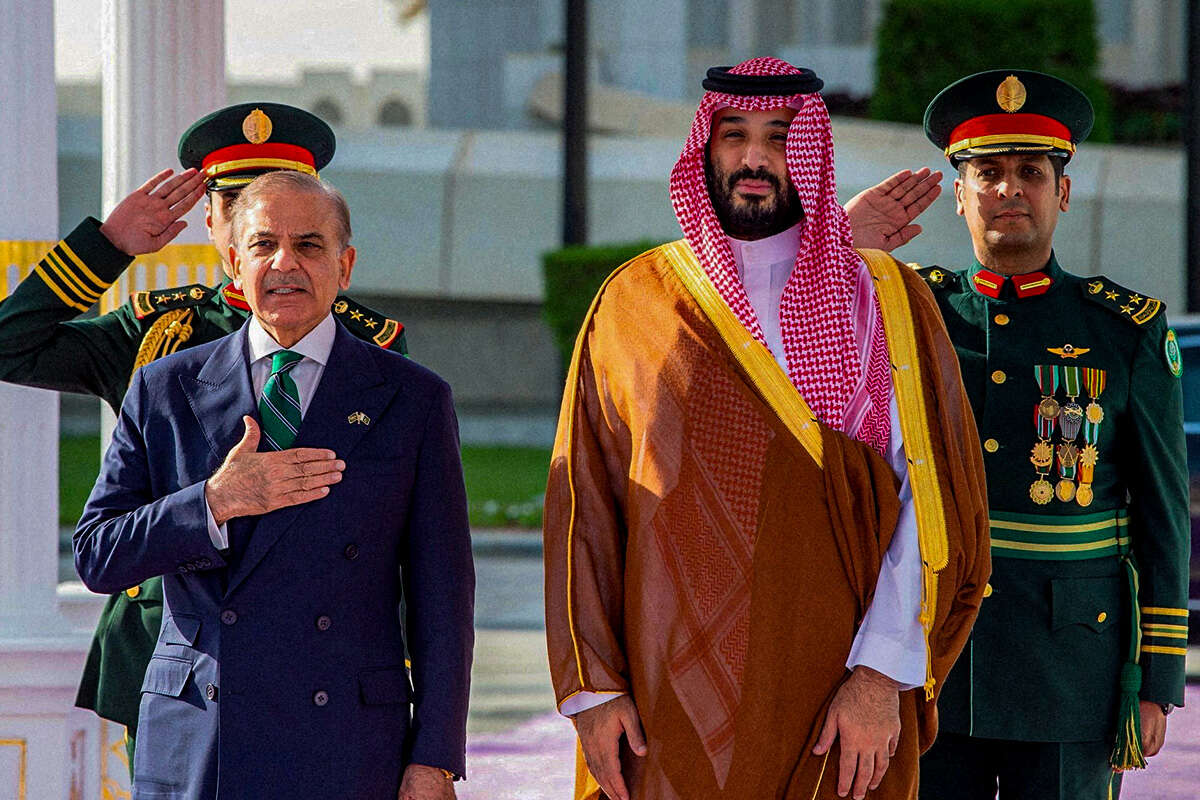
The Saudis are caught in a dilemma. On the one hand, they would be the first, or in practice the second after Israel, to welcome an uncompromising campaign against the regime in Tehran that continued until its overthrow. On the other hand, unlike Israel, they are suffering the consequences of the confrontation directly and daily and want it brought to an end as quickly as possible. Saudi Arabia is trying to assemble a coalition of Arab Gulf states, together with Egypt and Jordan, to pressure the major powers and campaign in every possible forum against the Iranian threat to the straits.
According to the diplomatic sources, the emerging cooperation also includes military and intelligence coordination that could eventually lead to a full-scale campaign against Iran alongside the US. The Gulf states have so far carried out only a small number of strikes and have generally preferred to keep their involvement quiet. Israel Hayom previously reported that at least two of them had participated in attacks. According to the sources, that number has now risen to at least four.
An all-out declaration of war?
Does this mean the Arab bloc is preparing to declare all-out war on Iran? If Iran continues to block the straits, the countries may have no choice but to take that step. "The approach of containment, dialogue and attempted mediation has gone bankrupt," one diplomat told Israel Hayom. "Every Arab capital now understands that the Iranian regime will not stop unless someone stops it."
Tensions escalated further this week following an attack targeting oil facilities in eastern Saudi Arabia. Reuters reported Thursday, citing two Middle Eastern officials, that the Houthis had attacked the kingdom from Iraqi territory in cooperation with pro-Iranian militias operating in Iraq.
According to assessments by Saudi Arabia and other regional partners, the attack indicates that members of the Iranian axis have deepened their cooperation and improved their ability to strike US allies in the region. This has occurred despite the attacks they have sustained from Israel and the US across several arenas, including Lebanon and Iran.
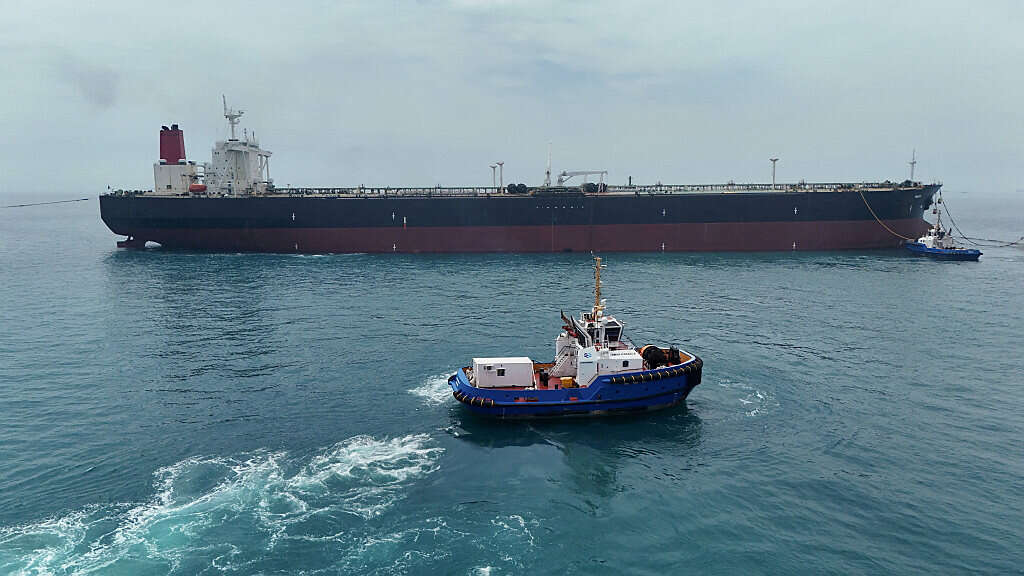
Saudi Arabia's participation in strikes against pro-Iranian militias in Iraq and Houthi targets in Yemen also reflects the increasingly confrontational atmosphere in Riyadh. Messages emerging from Saudi Arabia have grown more forceful and are now accompanied by threats against the forces attacking the kingdom.
Prince Khalid conveyed that shift in Saudi policy during his visit to Washington, pressing for a faster solution to the Strait of Hormuz crisis and a long-term strategic answer to the Iranian threat.
Officials in Washington have heard the appeals, but there has been no fundamental change in US policy, and discussions are continuing. The current policy is to maintain and intensify the economic blockade on Iran, based on the assessment that it is the most effective means of pressuring the regime, particularly the Islamic Revolutionary Guard Corps. At the same time, the US military is continuing targeted strikes, primarily against military targets.
Beijing, for its part, does not currently intend to use military force to reopen the Strait of Hormuz. China is calling for diplomacy and dialogue and for the safety and free flow of international shipping routes to be guaranteed. However, it has refrained from publicly confronting Tehran over its threats. The Gulf states are, in effect, caught between the two powers. They want China to exert economic pressure on Iran, while expecting the US to provide the military solution Beijing is unwilling to offer.
Whether the American approach can survive until the midterm elections, now just over three months away, is unclear. What is evident is that the Iranians are seeking to exploit the US dilemma to the fullest.