The meteoric rise of the self-development movement – marked by wellness retreats and female empowerment summits – has shifted from an indulgence into a modern necessity. Today, personal investment is recognized as a fundamental tool for long-term growth and community building.
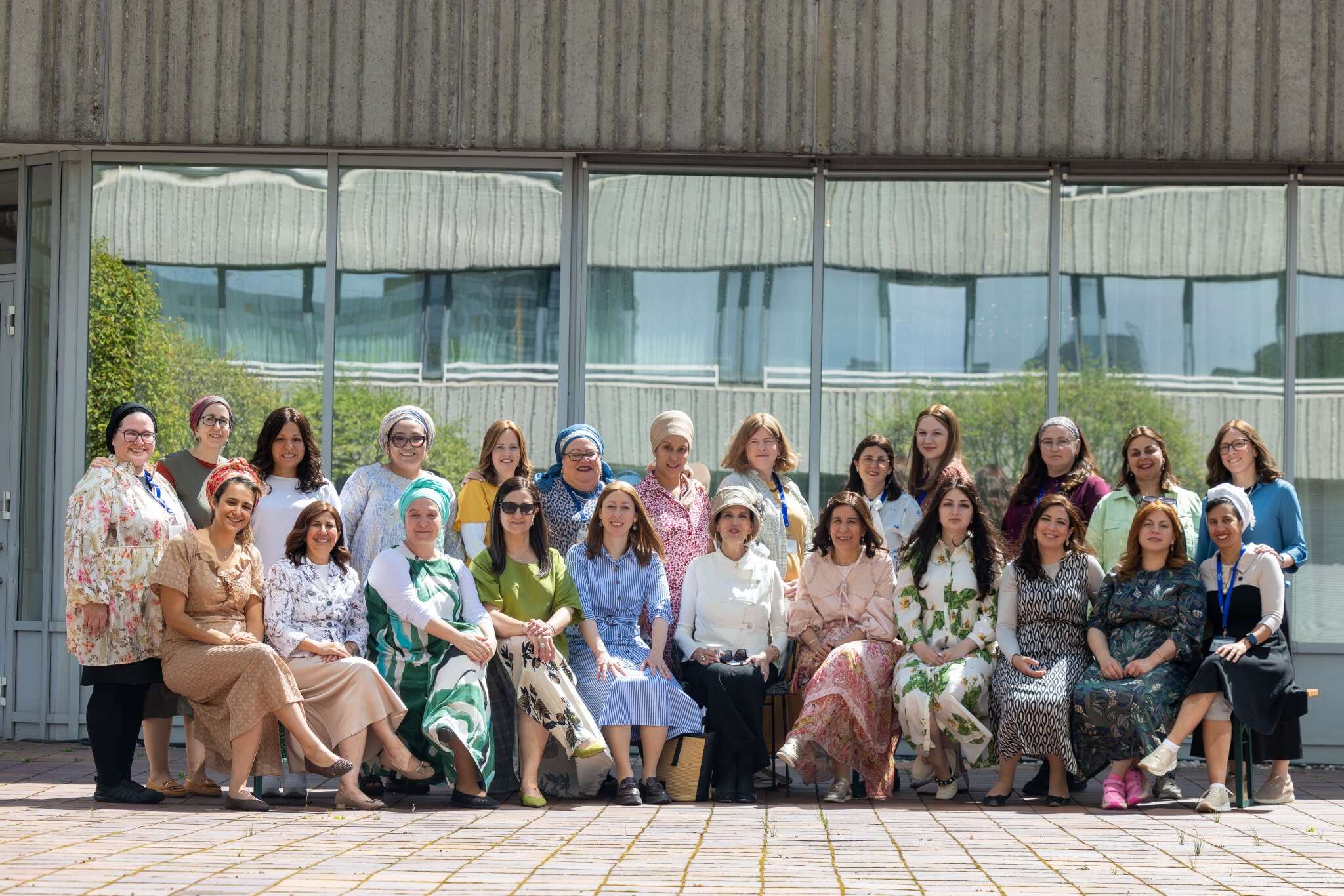
Despite the endless array of options, I had never attended such a retreat until recently, when I joined an extraordinary gathering for a group that rarely pauses to care for itself: the rebbetzins (rabbis' wives who serve as communal leaders) of European Jewry.
The seminar launched the latest cycle of the European Rebbetzin Development Program, conceived by the Conference of European Rabbis (CER). Representing political and religious leadership, the organization connects approximately 1,000 members and 800 active rabbis heading congregations from Dublin to Vladivostok. Established four years ago following requests from key female figures, the program fills a crucial void. While the Conference of European Rabbis routinely conducts training for rabbis, sofrei stam (ritual scribes), blaniot (mikveh or ritual bath attendants), and Kosher supervisors, this initiative supports women thrust into public leadership without formal preparation.
Collective vulnerability turns into wisdom
"This is an immensely heavy lift," noted Rabbanit Yemima Mizrachi, who mentors participants in the program. "Being a leader means you worry. The Hebrew word for 'worry' carries a special dual meaning – to feel anxious oneself and to care for others. There are no Ten Commandments for a communal rabbanit, and no institutional predecessors to emulate. These women must constantly improvise in the field, making this seminar a vital lifeline," she explained, adding, "When someone who feels uncertain sits alongside another who shares that same uncertainty, our collective vulnerability turns into wisdom."
The essential need for peer support becomes paramount for Israeli emissaries relocating abroad. The Munich seminar brought together prominent women from major Jewish communities like London, Madrid, Strasbourg, and Amsterdam, alongside smaller outposts in Belarus and Palma de Mallorca. "As a kosher-observant family living on a Mediterranean tourist island, we cannot simply pop out to a local restaurant to decompress," shared Bat-Chen Bar Geva, rabbanit of Palma de Mallorca, reflecting on the cultural shift. "Sourcing kosher food or organizing a Shabbaton [a weekend retreat] requires building an entire logistical framework from scratch."
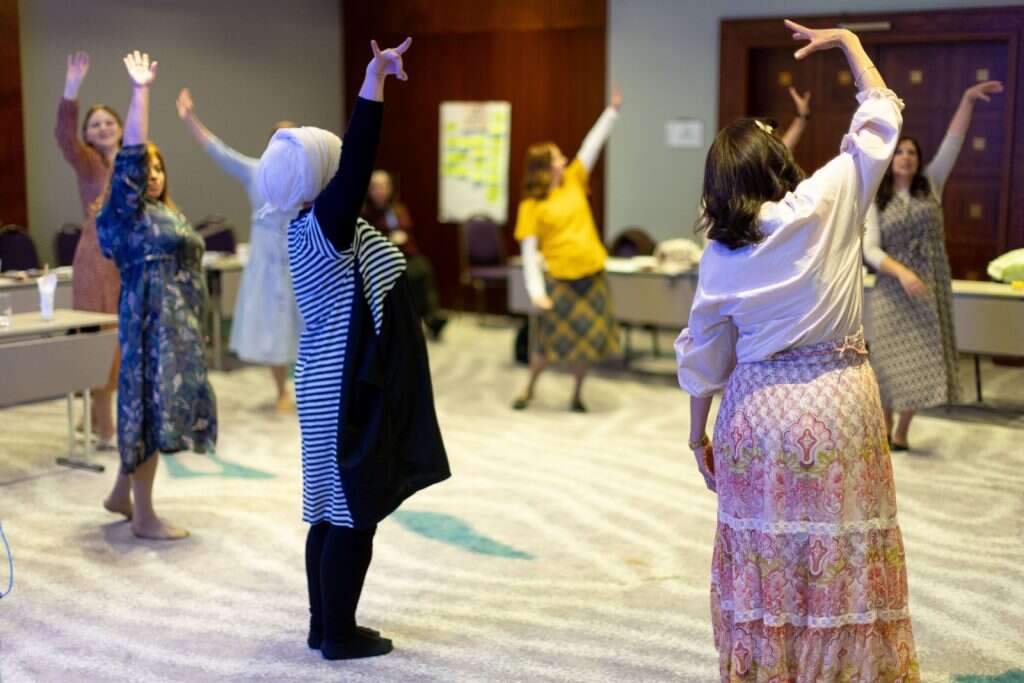
Throughout the three-day gathering in Munich, professional lectures alternated with expressive arts, including ceramics and movement workshops. These sessions brought to light common struggles shared by female leaders across the continent – challenges that resonated even with the journalist from Tel Aviv writing this article. Despite a rigorous itinerary, participants took time to confront dilemmas often buried in daily routines. A dance workshop offered a powerful vehicle for rebuilding self-worth, surrendering control, and practicing self-love – releasing long-suppressed emotional burdens.
"We leave stronger"
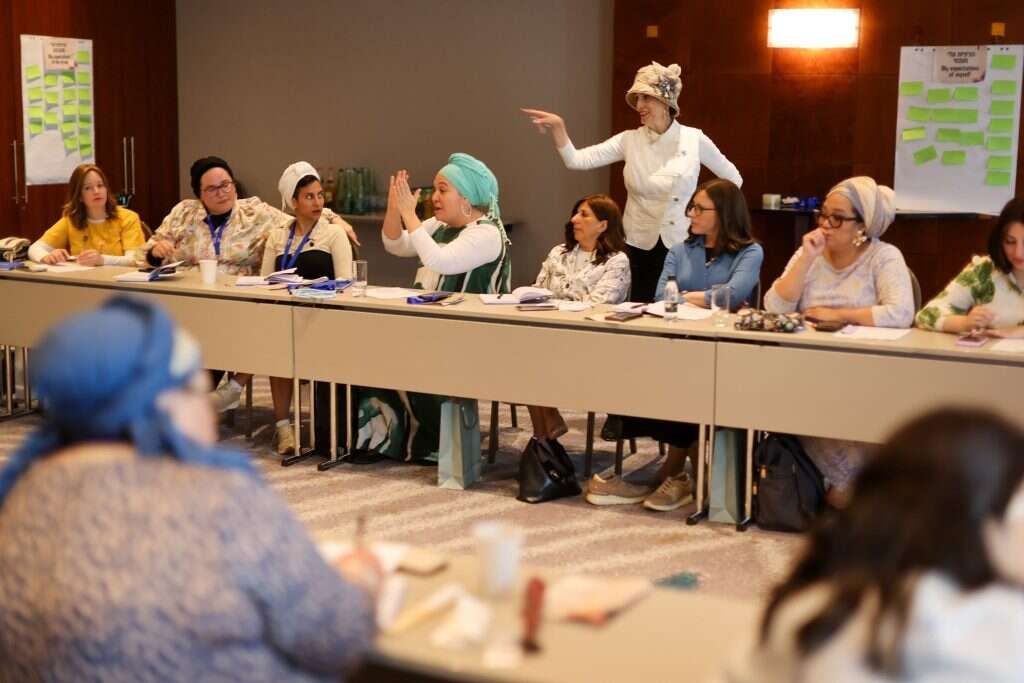
Isolation emerged as one of the most prominent topics. Moving abroad without traditional family support systems frequently creates friction within the home. Suddenly, the room transformed into a safe harbor where participants could share vulnerabilities and seek counsel when everyday routine offers no one to consult. For the participants, the seminar serves as the first step in building lasting bonds with women who were strangers just hours earlier, supported by ongoing Zoom sessions hosted by the Conference of European Rabbis.
Participants also addressed internal community challenges, where congregants expect the rabbanit to guide them on delicate issues. From integrating intermarried families to supporting Israeli emigrants, the forum facilitated practical problem-solving. It also tackled a traditionally taboo subject: financial compensation. While rabbanits historically performed unpaid labor, the expanding demands of the role have sparked crucial conversations about setting professional fees and overcoming internalized barriers around money.
"We leave stronger," Rina Revivo from Strasbourg, France, said. "We spend our lives focused on the community and looking out for others – for once, someone was looking out for us. Simple gestures, like asking if we had eaten, meant the world to women accustomed to preparing Shabbat meals for dozens. They filled our cups so we can return home and keep giving."
The soul of the community
Providing clinical structure to the experience, Moriah Nagar, a social worker and CBT therapist from the Sderot International Resilience Center representing JReady – a collaborative initiative of the Ministry of Diaspora Affairs and Combating Antisemitism and the Jewish Agency – led a workshop on operational resilience. The session equipped participants with actionable strategies to process trauma and cultivate supportive environments within their communities.
Hodeya Stiglitz, who oversees community resilience at the Ministry of Diaspora Affairs and Combating Antisemitism, noted, "Our ministry works continuously to fortify the preparedness of global Jewish communities. Empowering local female leaders is essential for constructing resilient environments capable of facing any emergency."
Shirley Gil-Reis, director of JReady, added, "Rabbis and Rabbaniyot serve as foundational pillars of community stability, particularly at this time. Providing professional toolkits alongside personal resilience training ensures they can continue offering a steadfast anchor to their congregations."
"They are the most crucial players in communal rabbinics," Gady Gronich, chief of staff to the president of the Conference of European Rabbis and CEO of its foundation, emphasized. "I wanted to give them concrete tools and offer a simple 'thank you' that rarely gets expressed – while encouraging communities to recognize and financially compensate the rabbanit," he explained. "They do extraordinary work. They are the true soul of the community when it comes to family, women, and education – areas where the rabbi is often not the natural point of contact. We built this program based on their needs, and we are constantly listening, advancing, and developing," he concluded.