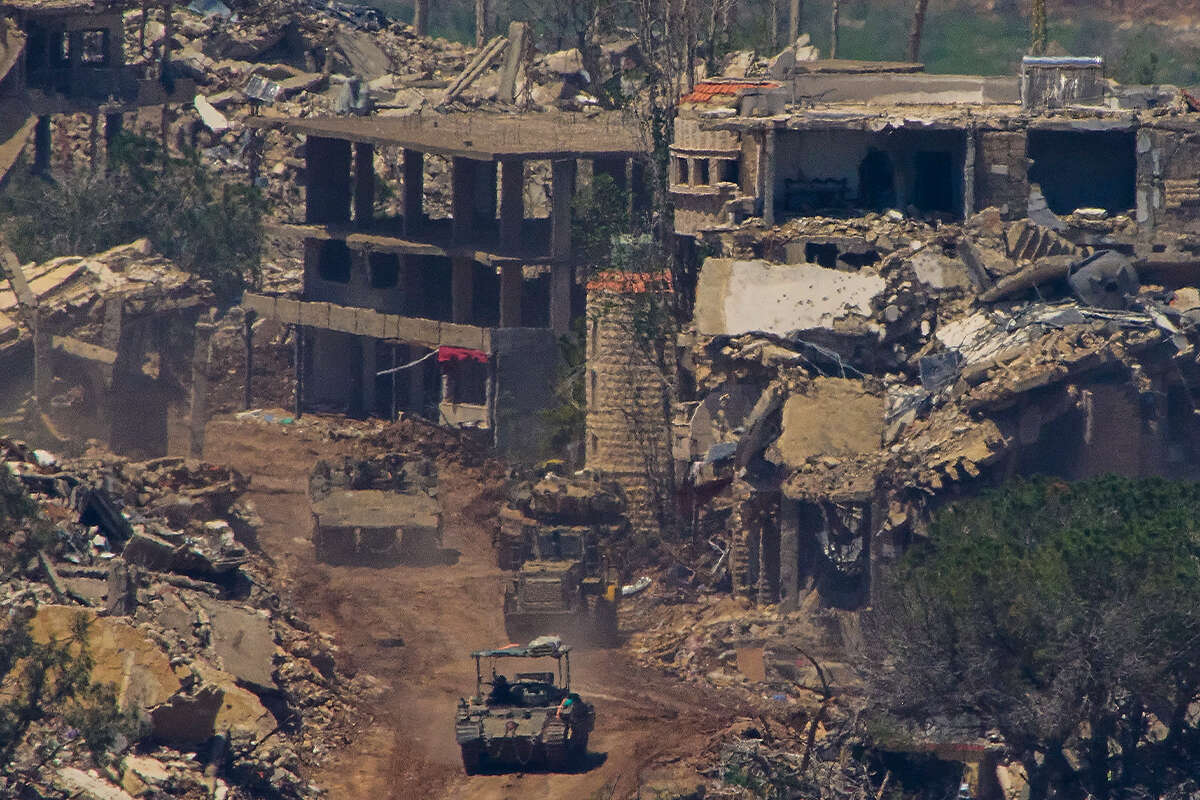
The United States and Israel are moving forward with plans to establish four additional concrete plants in the Gaza border area to meet growing demand for sealing Hamas tunnels in the Strip and constructing a massive military base intended to serve the International Stabilization Force (ISF). The enormous quantities of concrete required for both projects have created the need for the additional plants.
The current system is operating amid cash-flow difficulties. The concrete plants shut down every week because of budget problems, dramatically affecting the continuous effort to seal the tunnel routes. In fact, it has emerged that the Israel Defense Forces has no comprehensive, structured work plan for sealing all the tunnels discovered in the Gaza Strip, and operations are being conducted according to ad hoc budget allocations.
As part of the preparations to transfer responsibility for operating and financing the plants to the United States, workers at the existing concrete facilities have already been informed that, for payroll and management purposes, they will become employees of the US administration overseeing the project.
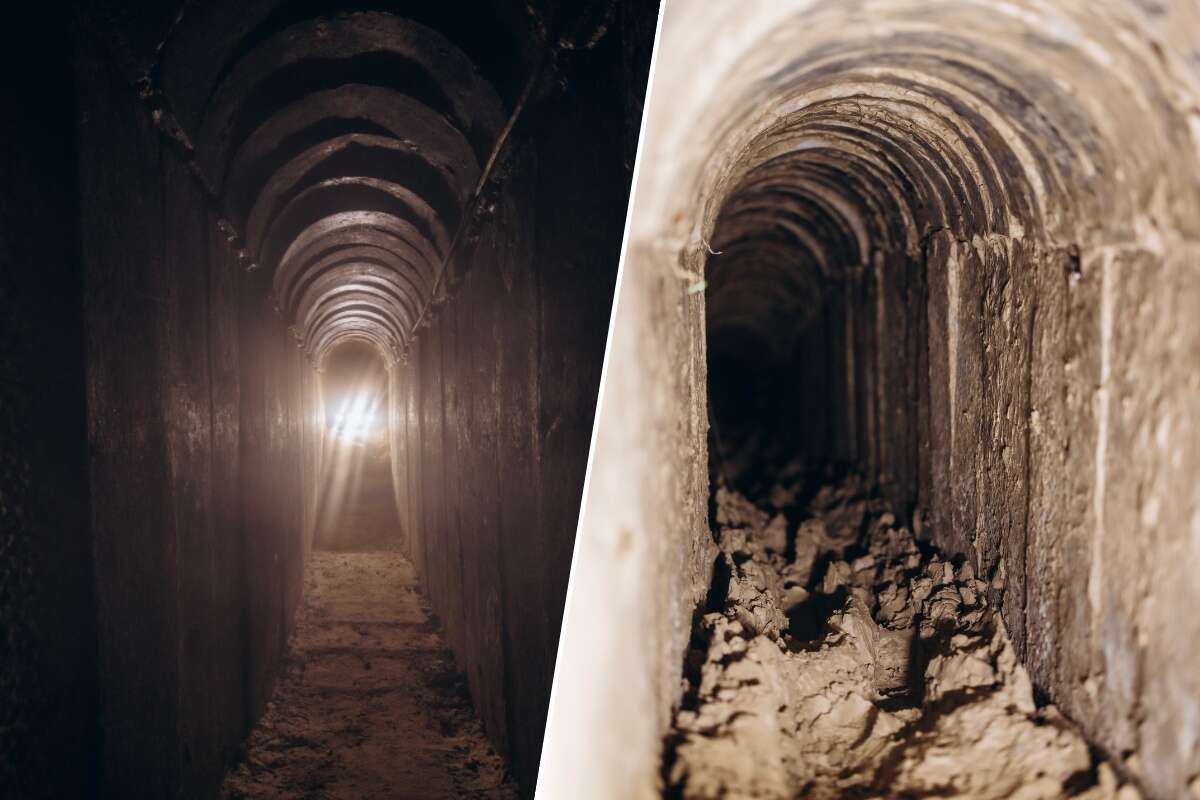
Thousands of kilometers of tunnels built and used by Hamas remain in the Gaza Strip. Some are still used by the terrorist organization's military wing, and hostages were held in several of them.
It should be noted that the Americans are not making the operation conditional on a transition to Phase 2 of the 20-point plan, since it is not considered reconstruction but rather the filling of tunnels located in territory under IDF control.
High-pressure liquid concrete
The tunnel-demolition method is based on pumping liquid concrete under high pressure directly into the underground route. For example, engineering forces pumped more than 30,000 cubic meters (about 1.06 million cubic feet) of concrete into the massive tunnel in Rafah where the body of Lt. Hadar Goldin was held. An additional tunnel in the northern Gaza Strip was sealed using 20,000 cubic meters (about 706,000 cubic feet) of sealing material pumped through a dedicated pipeline system several kilometers long.
In some cases, the tunnels and their openings are blown up. For deeper and more heavily reinforced tunnels, however, pumping in concrete is far more effective. The concrete currently comes from two plants, at Kerem Shalom and Nahal Oz, the latter of which only recently began operating. The present production rate clearly falls short of existing needs.
In recent months, another major consumer has been added: the vast base being built near the Re'im IDF camp. The base is intended to house joint command centers that will oversee developments in the Gaza Strip in the post-Hamas era. It is also expected to serve as the headquarters of the International Stabilization Force, which is meant to deploy in the Strip and maintain public order and security.
Israel Hayom has previously reported that the Americans issued tenders for construction of the base, which will require exceptionally large quantities of concrete.
Before the war, while building the extensive underground barrier designed to counter tunnels along the Gaza border, the Israeli Defense Ministry established six temporary, purpose-built concrete plants directly along the border. They supplied a continuous and rapid flow of concrete for the barrier's underground detection wall without relying solely on ordinary civilian infrastructure.
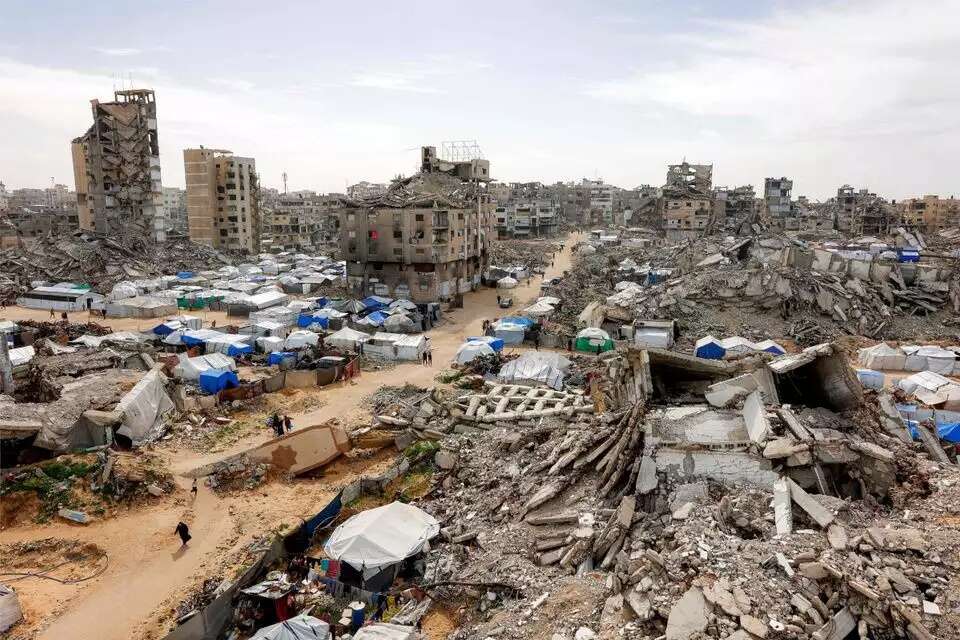
The latest move could have far-reaching consequences extending well beyond counterterrorism. In practice, the plants are expected to contribute to rebuilding the Gaza Strip even before Hamas has withdrawn and disarmed.
"No tunnels cross into Israel"
The IDF said it "continues to operate systematically to locate, investigate and destroy Hamas' underground infrastructure through continuous drilling throughout the area, based on intelligence that is updated on an ongoing basis.
"In accordance with the latest operational assessment in the area of the Yellow Line, no tunnels crossing into Israeli territory are currently known to exist.
"Any new information or attempt to rebuild underground infrastructure is detected and addressed immediately. The Southern Command's engineering forces have been operating continuously for approximately two and a half years and constitute a central component of the operational effort to eliminate threats and inflict sustained damage on Hamas' terrorist infrastructure."