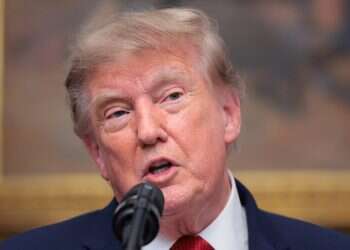
The significance of the White House meeting between US President Donald Trump and Prime Minister Benjamin Netanyahu lies in the alignment it achieved on the region's strategic objectives, foremost among them Iran.
With the appropriate caution, the emerging direction appears to be a tougher and tighter economic blockade, accompanied by sustained strikes intended to weaken Iran, but at least for now without being drawn into high-intensity warfare.
The objectives were jointly defined during the White House meeting, which was also attended by Vice President JD Vance, Secretary of State Marco Rubio and Secretary of War Pete Hegseth. The principal goal is to weaken Iran until it no longer poses a threat to its neighbors and to increase the chances of a complete change of regime.
Scenarios presented during the discussion
According to diplomatic sources, the discussion included various scenarios and counter-scenarios, as well as some disagreements over how the objectives should be achieved and the timetable required.
The Americans did not rule out reaching an interim arrangement that would reopen the Strait of Hormuz to free passage. However, they made clear that despite the contacts underway, the Iranian leadership was not prepared to accept the US preconditions or the compromise proposals put forward by Oman and Pakistan.
On the military front, the participants discussed the possible consequences of returning to high-intensity warfare, compared with continuing the "war of attrition" now underway.
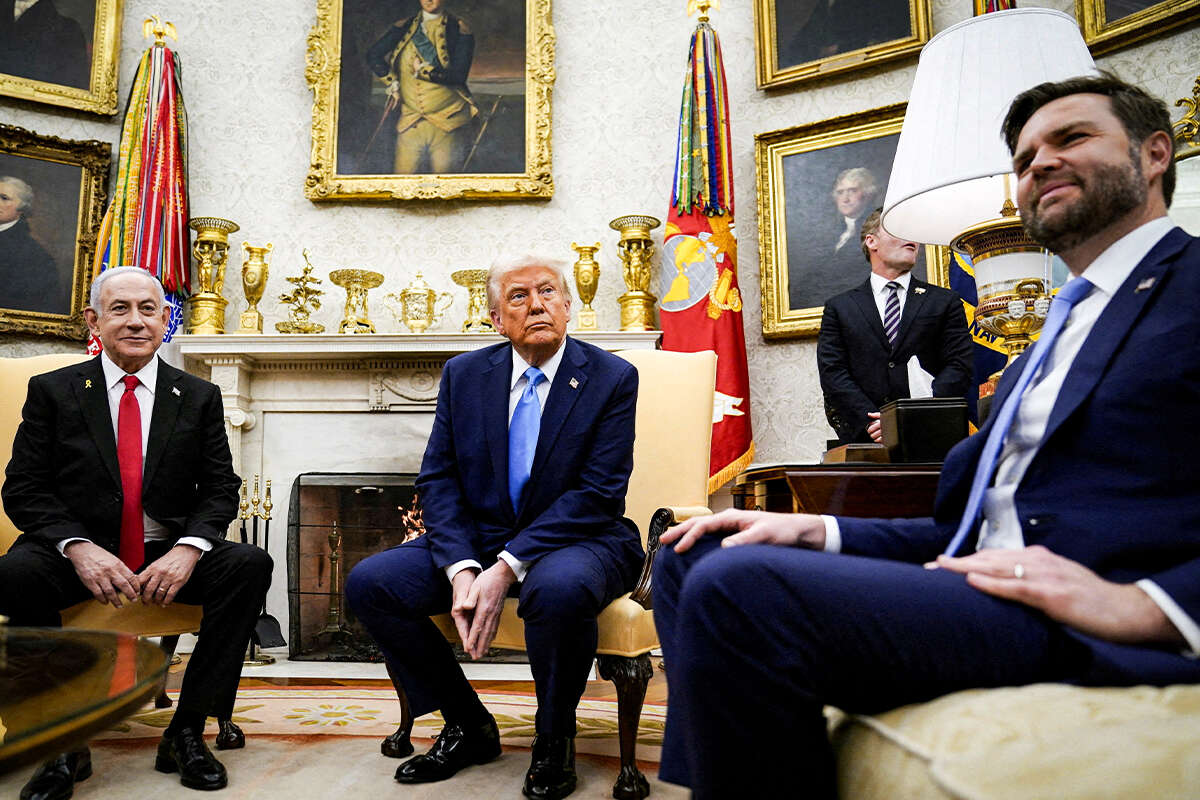
When the discussion turned to applying economic pressure on Iran, Netanyahu, who was backed by Rubio, spoke about the internal situation in the country and the conditions that could lead to renewed protests against the regime.
As at the meeting at Mar-a-Lago in December, and the subsequent meeting in February, the scenario under consideration envisions months of attrition against Iran and an economic blockade that would further deteriorate domestic conditions.
One important issue was energy and the crisis Iran is facing because of difficulties refining crude oil and importing refined petroleum products under the blockade. This has been compounded by Israeli strikes on gas facilities, another particularly important source of energy, further disrupting the electricity supply.
Monitoring Pickaxe Mountain
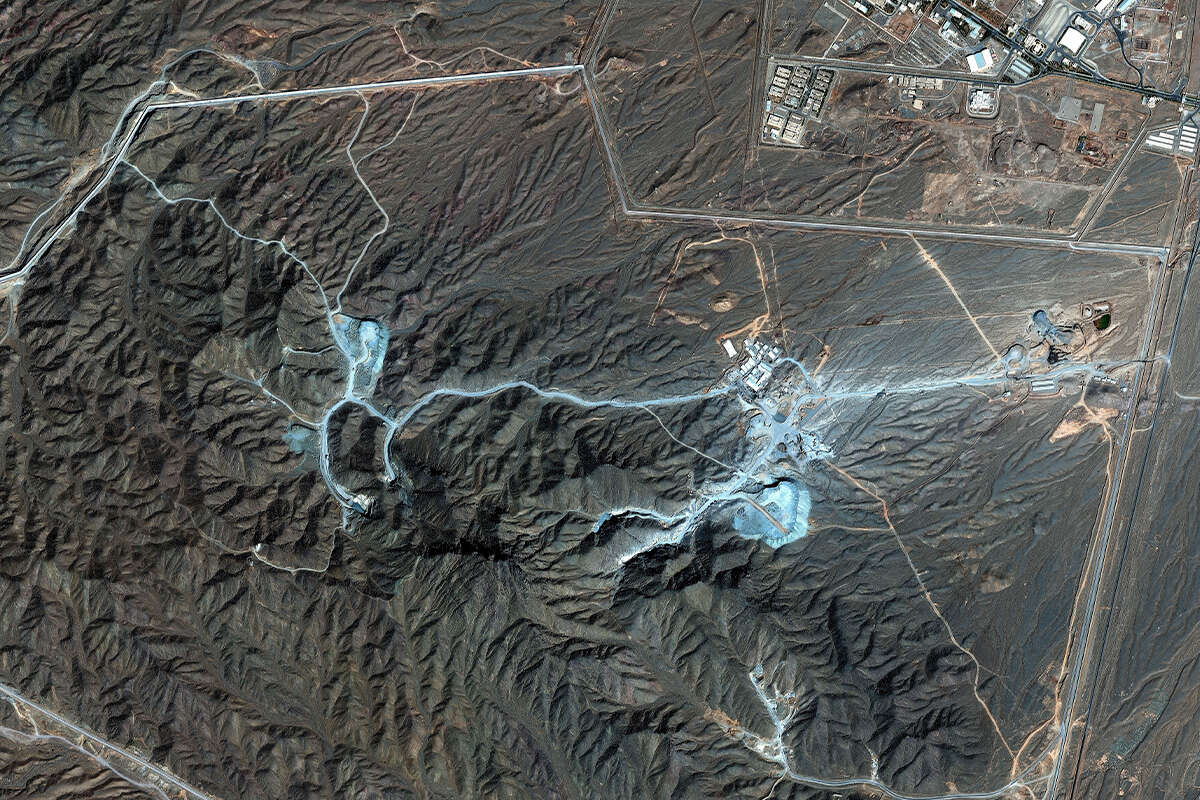
The discussion of the nuclear issue was not lengthy, and no new Israeli intelligence was presented. It was nevertheless made clear that there were no disagreements over the need to act should it become necessary to prevent further Iranian progress toward nuclear weapons capability.
Accordingly, Pickaxe Mountain, the deep site near the Natanz nuclear complex, and Iran's other nuclear facilities will remain under close intelligence surveillance, enabling decisions to be made in real time.
One source familiar with the matter told Israel Hayom that the common ground evident in the White House discussions was far more prominent and significant than the minor disagreements between the two sides. The source also claimed that views within the Trump administration also appeared more unified for the time being, following Iran's violation of the memorandum of understanding.
The talks also addressed the involvement of additional countries in efforts to reopen the Strait of Hormuz to free passage. European countries were criticized for failing to assist the effort so far, and participants assessed that a continuation of the present situation would force them to join it.
Houthis push Saudi Arabia closer?
The discussion also covered the expansion of the Abraham Accords, with Trump emphasizing his intention and deep commitment to bringing additional countries into the agreements, above all Saudi Arabia. According to the diplomatic sources, however, the timetable will depend largely on developments in the campaign against Iran.
One source said Iran's use of the Houthis to attack the west-to-east shipping route from Saudi Arabia was bringing the Saudis closer to the conclusion that a genuine regional alliance was needed to confront Iran and its proxies.
In that context, a Saudi diplomatic official told Israel Hayom: "The Israeli issue, regarding normalization and joining the Abraham Accords, was not taken off the table during the war." When asked about the connection to a proposed Saudi-US nuclear program, the official said: "There will be a Saudi civilian nuclear project, and that does not conflict with the Israeli issue."