
After three consecutive years of fighting, the Israel Defense Forces are worn down, the defense budget is stalled, the Iranian threat is once again at the top of the agenda and multiple active combat fronts, the entire security establishment must already prepare for the next war, even though the previous one has yet to truly end.
Israel's next defense minister will simultaneously have to oversee the IDF's recovery and force buildup; address manpower shortages among conscripts, career personnel and reservists; counter Iran's growing power; prevent Hamas from rebuilding; preserve Israel's achievements against Hezbollah; manage the volatile situation in Judea and Samaria; resolve the issue of ultra-Orthodox enlistment; maintain relations with the US; and fight for the defense budget.
In other words, the new minister will not receive even a single day of grace.
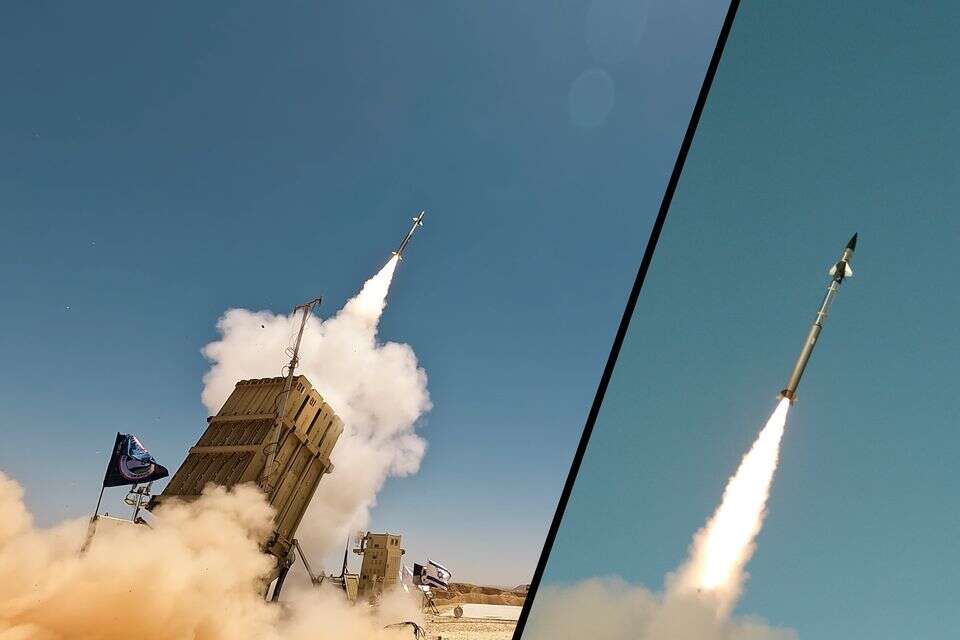
Iran tops the list of priorities
Assuming no dramatic developments occur before the upcoming elections, such as the fall of the Iranian regime, Iran will remain one of the principal threats facing Israel.
The elimination of Iran's leadership during Operation Roaring Lion led to a significant radicalization under the new regime, with the Islamic Revolutionary Guard Corps now effectively running the country. The prevailing assessment is that Tehran understands that the only way to guarantee the regime's survival is to make a rapid and clandestine dash toward a nuclear weapon.
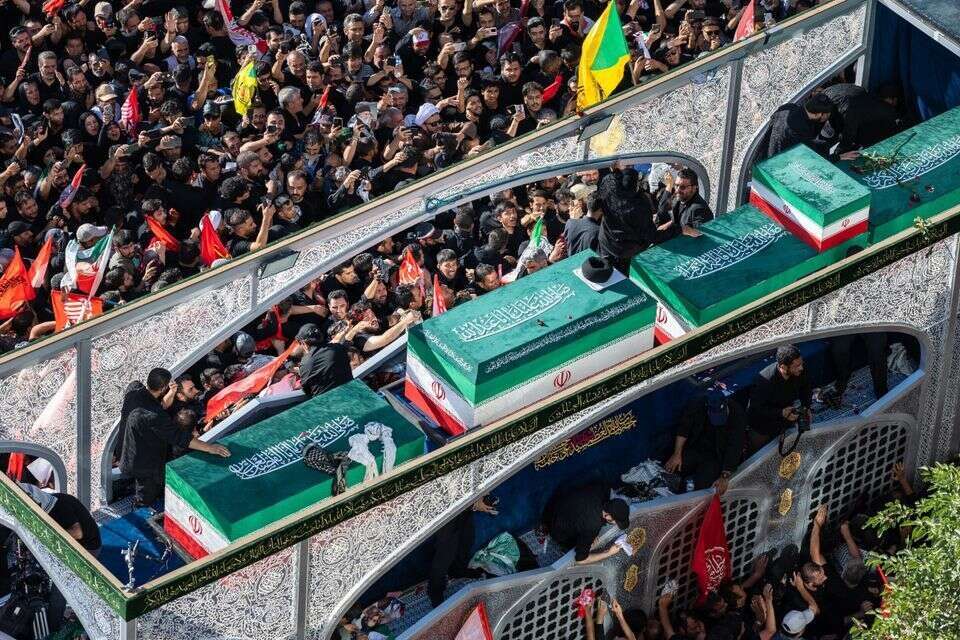
At the same time, the Iranians are working to restore their missile and unmanned aerial vehicle systems, rebuild their capabilities and apply the lessons they learned from the war.
Meeting this challenge will require a clear policy, along with the funding needed to allow the IDF to prepare. The defense establishment is already warning, however, that the budget shortfall is undermining its ability to prepare for the next confrontation.
Back to Gaza
The agreement that secured the return of all the hostages did not end the campaign in the Gaza Strip.
The IDF currently controls more than 60% of Gaza and wants to expand that figure to 70%. Yet even while surrounded on all sides, Hamas continues to rebuild its military and civilian power, partly through humanitarian aid and smuggling. The terrorist organization that carried out the Oct. 7 massacre has been weakened, but it is far from defeated.
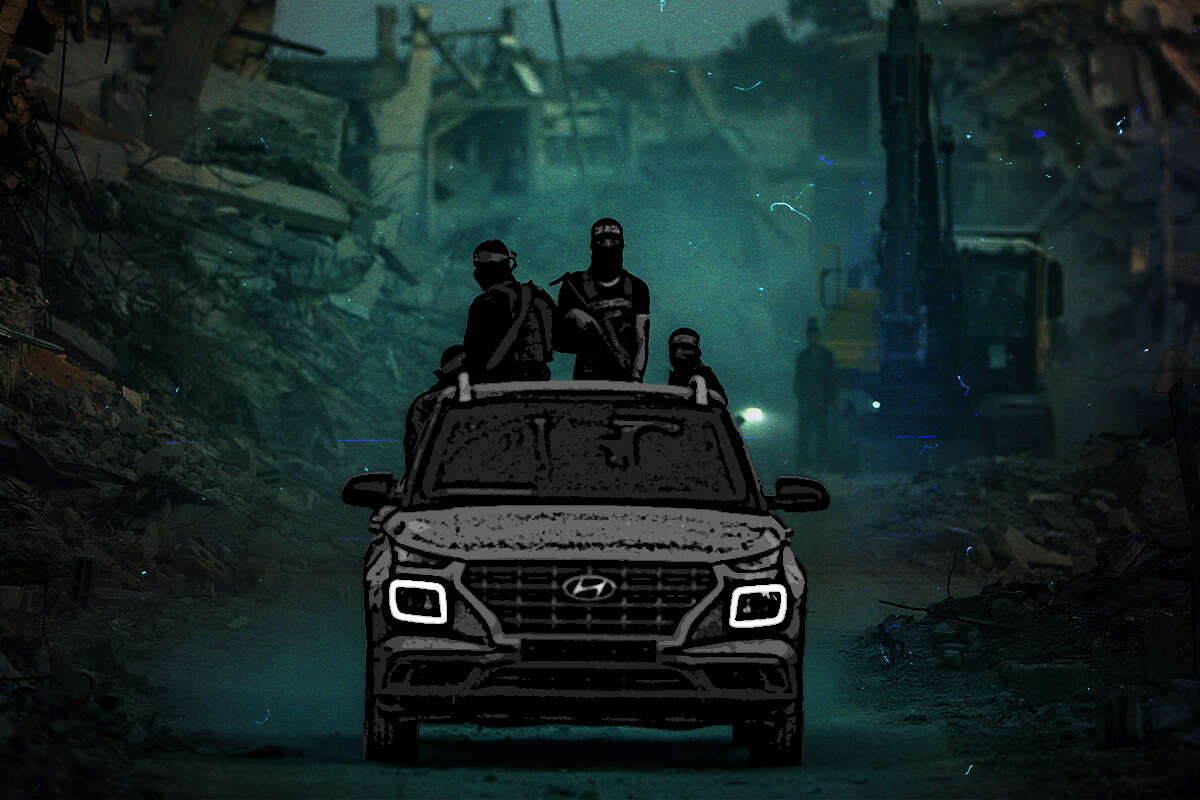
The questions facing the next defense minister are clear: How can Hamas' reconstruction be halted? How can the IDF preserve its freedom of action within the constraints imposed by diplomatic considerations? How can the reconstruction of Gaza be made conditional on demilitarization? And how can another full-scale conflict be prevented?
Keeping Hezbollah in check
Hezbollah has sustained significant damage over the past three years, but it still possesses substantial capabilities. The challenge will be to prevent it from regaining strength and to continue severing its connection to Iran.
To achieve this, Israel wants to strengthen the Lebanese government and allow it to assume responsibility for parts of southern Lebanon. The Israeli security establishment, however, is skeptical of its ability to do so, particularly after it failed to fulfill its commitment to disarm Hezbollah during the November 2024 ceasefire.
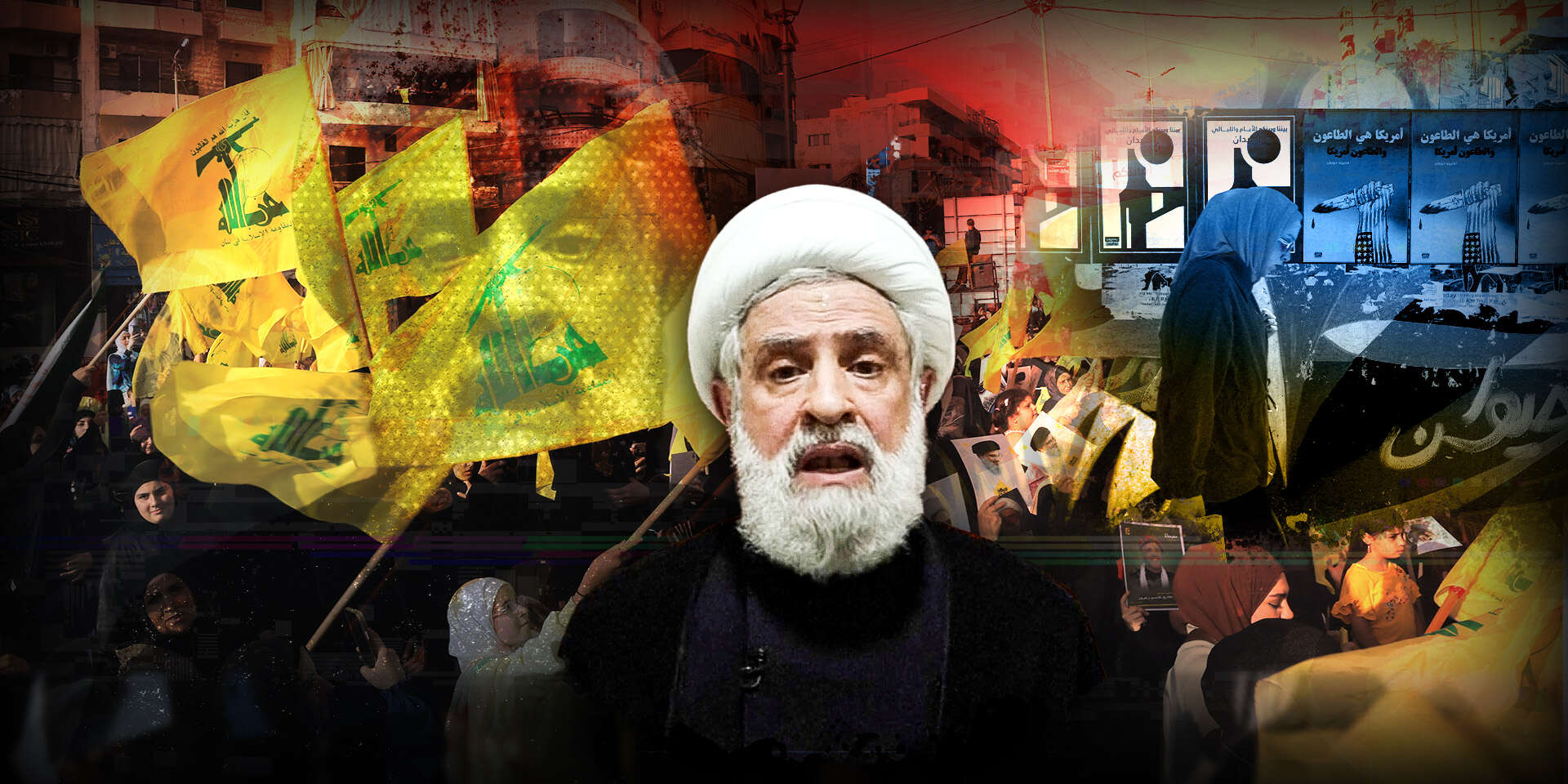
At the same time, defense officials believe the IDF must continue holding the security zone in southern Lebanon to keep threats away from the Israeli border. It is unclear, however, how long this policy will remain acceptable to the US and the Lebanese government. Hezbollah may also attempt, sooner or later, to resume firing at Israel.
The Judea and Samaria powder keg
Judea and Samaria are a powder keg. Over the past three years, the IDF Central Command has systematically and intensively targeted terrorist strongholds, succeeding in reducing the number of terrorist incidents. But as events in recent days have demonstrated, even a minor incident could trigger a major eruption.
The IDF has also been forced to contend with an increase in nationalist crime, diverting forces from counterterrorism operations to law enforcement operations against Jews.
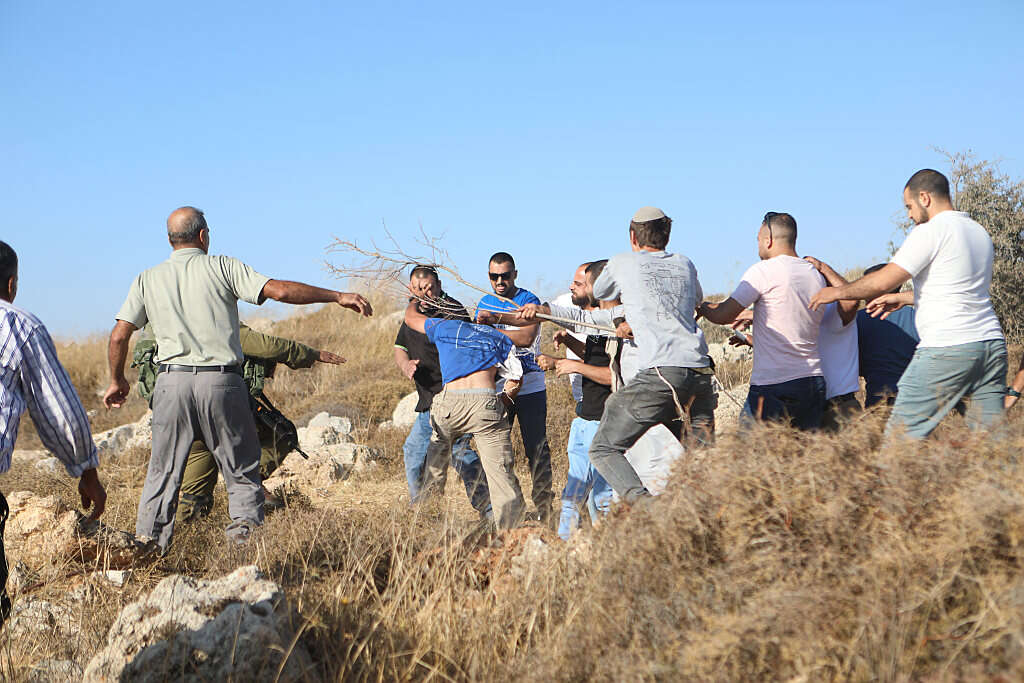
The expansion of Israeli communities presents another challenge. The establishment of dozens of new farms and communities requires additional troop deployments at a time when the IDF is already maintaining three security zones, in Lebanon, Syria and Gaza.
The next defense minister will have to review Israeli policy in this area and find a way to address the wave of criminal activity by Jewish settlers. At present, it is not being properly handled by the agencies responsible: the IDF, the Shin Bet security agency, Israel Police and the courts.
The race to rebuild
Three years of war have worn down the IDF in every form, from ammunition stockpiles and vehicles to armored fighting vehicles, logistics and defensive systems. The military must now replenish its stocks, draw lessons from the fighting and incorporate those lessons into its force-building plans.
The central problem is that there is no budget for this. Defense officials warn that the Finance Ministry is delaying the transfer of the 40 billion shekels ($13.1 billion) needed to close the gaps, even though the prime minister ordered the immediate transfer of 12 billion shekels ($3.9 billion) of that sum.
The security establishment warns that while Israel's enemies are already accelerating their arms buildups, Israel is struggling to keep pace.
The manpower crisis
Of all the threats troubling Israel's security establishment's senior leadership, the manpower crisis may be the most severe.
The years of war have worn down the standing army, placed an unprecedented burden on the reserves and led many officers to leave the military. Officials fear that if the trend continues, rebuilding the IDF in the coming years will be extremely difficult, and perhaps impossible.

Alongside this challenge is the issue of ultra-Orthodox enlistment. Whoever enters the Defense Ministry will have to make decisions that can no longer be postponed.
Relations with Washington
In addition to the operational challenges, the defense minister will have to preserve Israel's security relationship with the US, which reached its peak during the war with Iran.
The relationship encompasses US security assistance and military procurement, intelligence cooperation, and diplomatic and operational coordination across the various fronts.
Relations with the IDF Chief of Staff
Experience has shown that the relationship between the defense minister and the IDF chief of staff can affect the performance of the defense establishment no less than external threats.
The two offices have produced successful partnerships in the past, but also fierce confrontations, from the Harpaz affair to the crises in recent years between Defense Minister Israel Katz and IDF Chief of Staff Lt. Gen. Eyal Zamir, which caused serious harm to the military.
One of the next defense minister's first challenges will be to build a professional, businesslike relationship with the IDF's senior leadership, free of ego battles.
No time to adjust
The bottom line is that the next defense minister will receive no adjustment period.
From the first day in office, the minister will have to make decisions that determine what the IDF will look like in the coming years, how Israel's national security doctrine will develop and whether the defense establishment can move from survival to recovery.
In other words, the task will not merely be to manage the next war, but to rebuild a military that will be expected to win it.