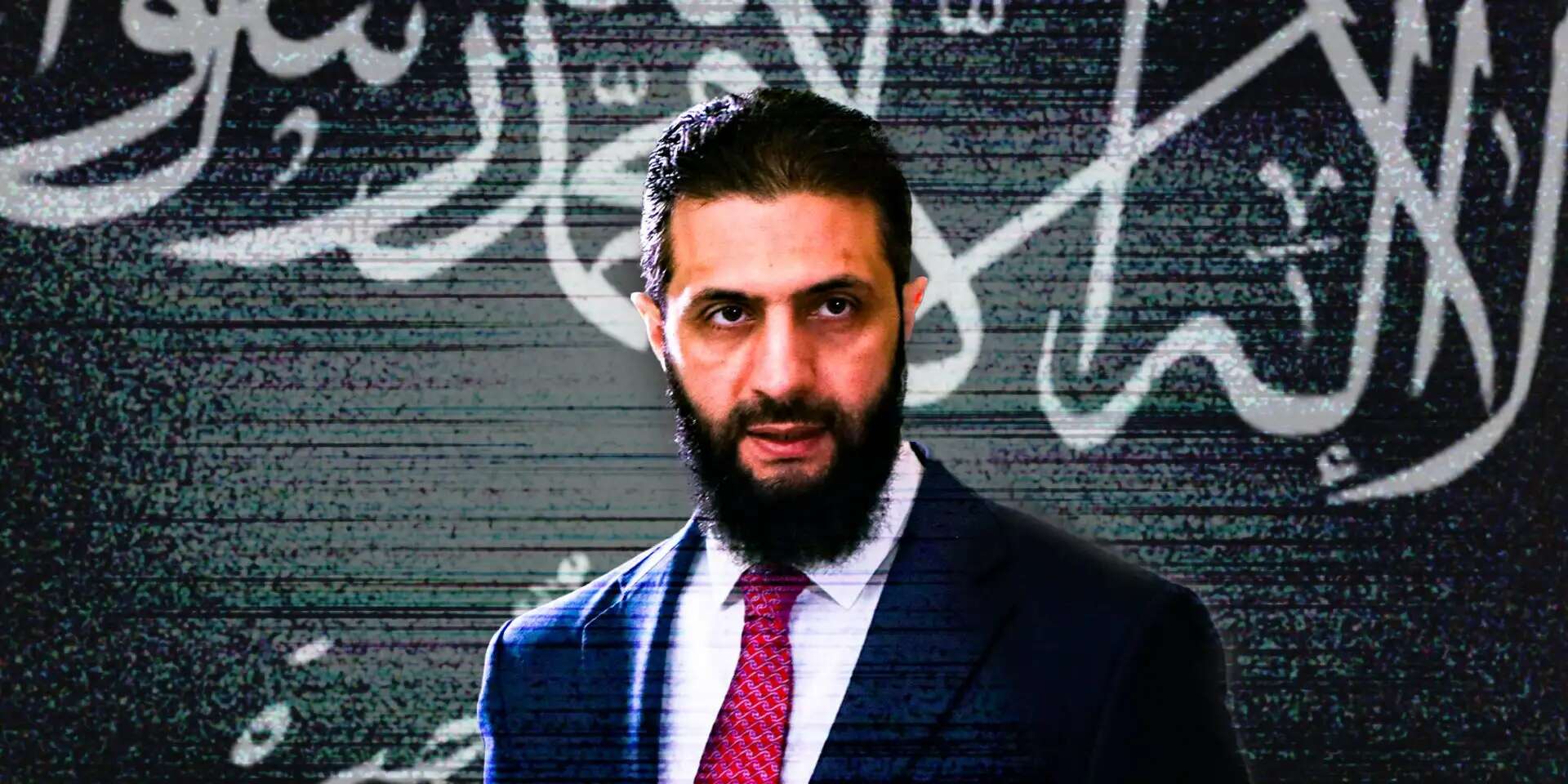
Syrian President Ahmed al-Sharaa's statement that Damascus is working toward a security agreement with Israel deserves serious scrutiny.
This is not the first time al-Sharaa has delivered such messages since coming to power in December 2024. Nevertheless, his latest remarks are significant. They follow months in which Syrian rhetoric toward Israel has grown increasingly critical, primarily because of Israel's continued military presence and raids in southern Syria. His decision to once again emphasize the possibility of an arrangement indicates that the diplomatic window remains open.
For Israel, this represents a strategic opportunity: to stabilize its northern border, prevent Iran and Hezbollah from reestablishing themselves in Syria, establish a responsible governing authority in Damascus and perhaps, at a later stage, open the door to a broader regional initiative.
But opportunity must not be confused with certainty. The Syrian regime remains fragile, its control over the country is partial, the new army is undergoing an accelerated process of reconstruction, and figures with jihadist backgrounds have been incorporated into state institutions. The reality is complex, and it would therefore be a mistake to view it in binary terms, either by portraying al-Sharaa as a man of peace who has undergone a complete transformation or by rejecting all dialogue on the grounds that it must necessarily be a trap.
The right question is not merely whether al-Sharaa is a partner, but whether an arrangement can be designed that will protect Israel even if his intentions change or if his government is not strong enough to enforce its commitments. Renewed dialogue with Damascus should therefore not be based on trust in al-Sharaa or his intentions. It should rest on an agreement that reduces risks and formally safeguards Israel's essential security interests from the outset.
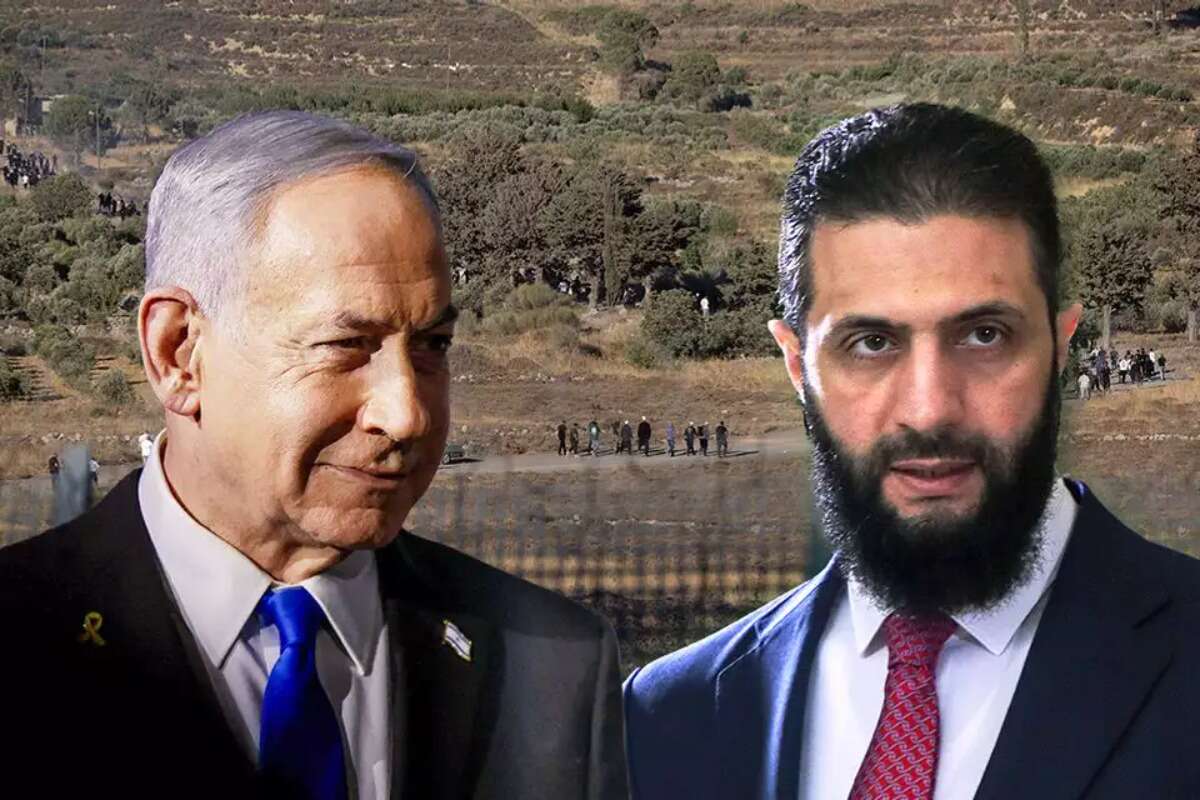
Such an agreement must include several clear principles:
1. A cautious Israeli withdrawal
An Israeli withdrawal to the 1974 disengagement lines, including from territory captured following the fall of the Assad regime, should be carried out gradually and responsibly. Each stage should be conditional on the Syrian government's ability to prevent terrorism, infiltrations and the transfer of weapons into the border region, based on a process of reciprocal, confidence-building measures.
2. Removing threats from southwestern Syria
Effective security arrangements and the demilitarization of southwestern Syria must be established. The area must be free of heavy weapons, strategic systems, armed militias and any foreign military presence that threatens Israel. At the same time, clear understandings must be reached with Damascus regarding the preservation of Israel's freedom of action against an immediate threat, particularly in the event of renewed Iranian entrenchment or the resumption of weapons smuggling to Hezbollah.
3. US involvement
Substantive US guarantees are required, not merely a ceremonial signature. The United States should participate in monitoring and enforcement mechanisms, mediate disputes and take clearly defined measures if Damascus violates its commitments.
4. Do not abandon the Druze
The Druze issue must be included among Israel's demands. These should include guarantees of security and political representation, as well as an end to severe sectarian violence. Mechanisms for dialogue should also be established, and the Syrian government should be required to prove that it can control the forces acting in its name. Such steps would demonstrate positive intentions and make it easier to advance an Israeli-Syrian arrangement.

The conclusion is straightforward. Under the appropriate conditions, Israel should renew its dialogue with Damascus and seek to shape an agreement while it still possesses significant leverage.
It must also be remembered that the alternative, an open-ended military presence without a diplomatic horizon, is not free of risk. It deepens hostility toward Israel, reinforces extremists' claims that Jerusalem seeks to partition Syria or expand its control over Syrian territory, increases regional and international criticism and could eventually lead to US pressure for an Israeli withdrawal under less favorable conditions.
Understanding the other side comes through engagement, not only military friction but diplomatic contact as well. Israel should return to the negotiating table from a position of strength, set clear conditions and ensure that every concession it makes is accompanied by oversight and a credible enforcement capability. In the Middle East, a good agreement is measured not only by the intentions expressed on the day it is signed, but by its ability to withstand violations the next day.
Dr. Carmit Valensi is a senior researcher at the Institute for National Security Studies (INSS) and Head of the Syria Research Field.