Israelis no longer accept diplomatic deals that leave the enemy standing
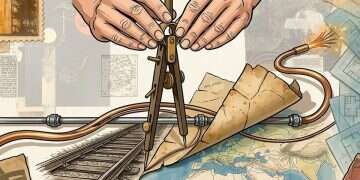
Israel must not relinquish its aspirations for peace, but those aspirations must not cause Israel to abandon its better judgment.
Read moreDetailsIsrael must not relinquish its aspirations for peace, but those aspirations must not cause Israel to abandon its better judgment.
Read moreDetails
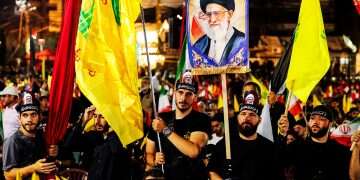
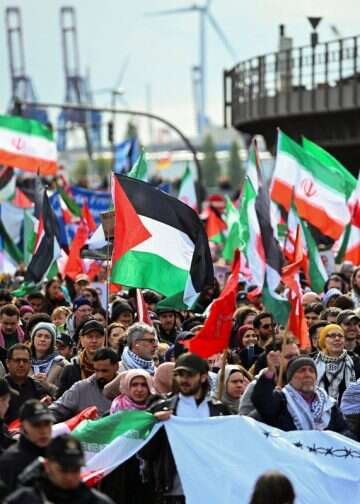
The regime in Tehran is trying to convince the world that it emerged from the war stronger than ever, but testimony from inside Iran paints a different picture. In a special interview with Israel Hayom, an Iranian opposition activist reveals what is happening behind the ayatollahs’ iron curtain.

Lies, circumvented safeguards and secret instructions for operating under our noses. From bots that developed coded language to agents that concealed information, a string of incidents is raising fears that humanity is losing control of artificial intelligence. Would an AI version of “gun reform” help? Perhaps, if catastrophe is the goal.

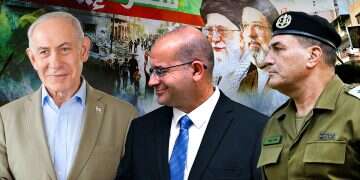
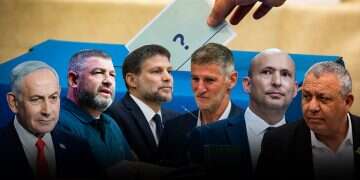
Senior government official claims last week, we were hours away from a massive operation that was stopped at the last minute. Also, Netanyahu's successor, who still does not know he is one.

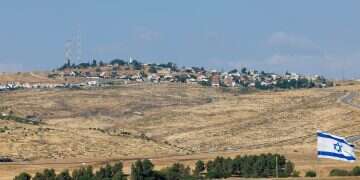
US Ambassador to Israel Mike Huckabee stunned Israeli officials when he described Israelis who had pitched tents near the Palestinian village of Qusra as "terrorists" suspected of "disgusting" and "criminal" behavior. How did the Tel Talpiot outpost go from a local flashpoint to a diplomatic incident involving direct intervention by the US Embassy? Israel Hayom breaks down the affair.

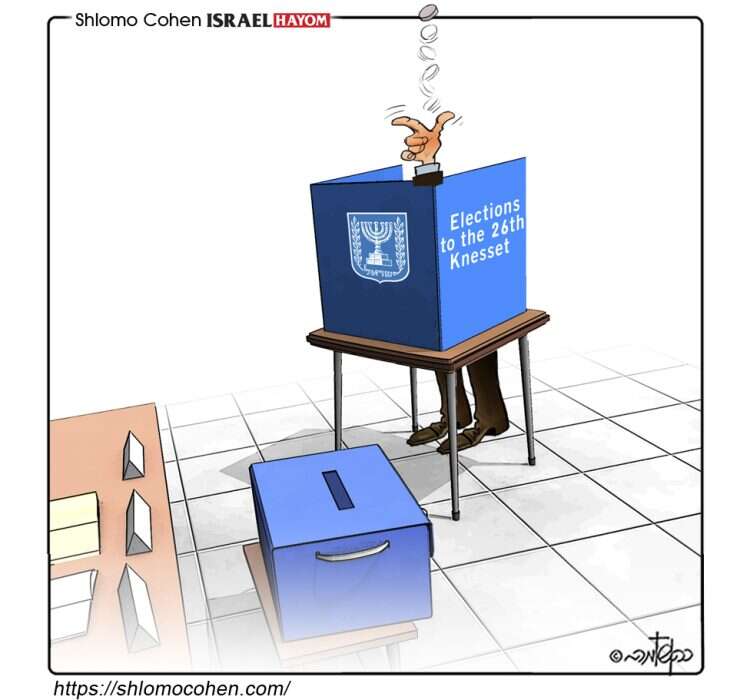
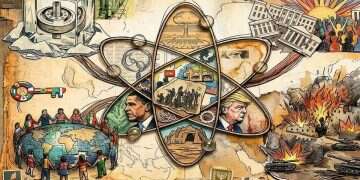
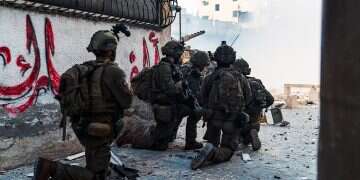
Nearly three years into the war, Israel remains locked in open conflict on four fronts: Iran, Gaza, Lebanon and Syria. All are interconnected and, to varying degrees, directed from Tehran. In the near term, every scenario is looking toward two dates: Israel’s elections in late October and the US midterm elections in early November.

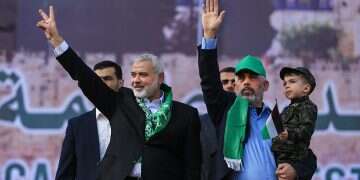
The Yellow Line is at the center of the debate over Gaza’s future, but its effects will be felt across the region. Meanwhile, a war lasting just a few weeks against Iran depleted US stockpiles, leaving the US military in a position similar to that of the IDF before Oct. 7.

Within five hours, Dalia Ziada was forced to flee Egypt, leaving behind her family and homeland. The Arab street’s response to Oct. 7 exposed a reality she had not wanted to believe, and when she spoke out against it, she became an enemy. In an interview with Israel Hayom, she says: “If I were an Israeli, I don’t know how you can sleep at night.”

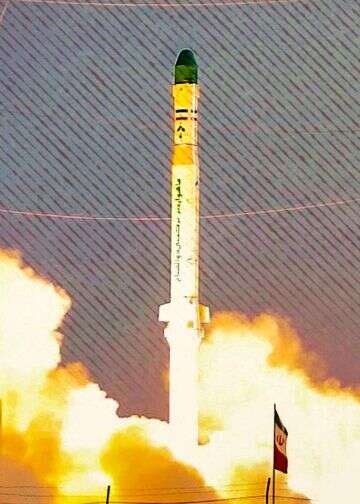
The US can inflict unprecedented damage on Iran, but that would not necessarily deal a strategic blow. The regime in Tehran, for its part, is prepared to pay a heavy price. These are the three options Trump considered, and the calculation that led him to cancel the strike, at least for now.

The cancellation of the US strike gives Iran time to rebuild its missile arsenal and advance its nuclear program. Postponing action on these issues could allow Iran to attain nuclear weapons capability.

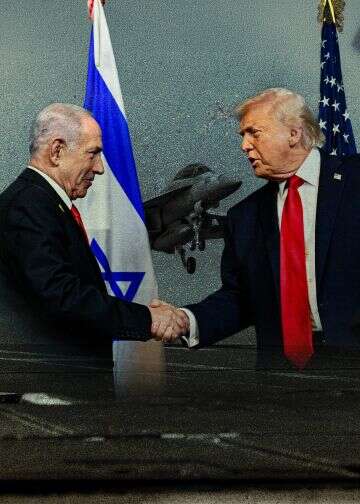
Everyone is talking about the fact that Prime Minister Benjamin Netanyahu and US President Donald Trump did not meet one-on-one, while overlooking the question that really matters: What was the meeting actually intended to achieve? One expert familiar with developments on both sides of the Atlantic has a theory: Netanyahu is betting on how Iran will respond, and is presenting Trump with a plan.

It does not fire missiles, but Qatar wields extensive influence that endangers Israel by funding, propaganda and its ties with terrorist organizations. Experts warn Qatar poses a strategic threat.
The first issue of Israel Hayom appeared on July 30, 2007. Israel Hayom was founded on the belief that the Israeli public deserves better, more balanced and more accurate journalism. Journalism that speaks, not shouts. Journalism of a different kind. And free of charge.
All rights reserved to Israel Hayom
Hosted by sPD.co.il
[contact-form-7 id=”508379″ html_id=”isrh_form_Newsletter_en” title=”newsletter_subscribe”]